In the ever-evolving field of design and technology, one term that's gaining traction is Design Technology, or DT. Unlike traditional design disciplines, DT transcends boundaries, merging design, technology, and engineering to create innovative, user-centered solutions.
At its core, DT is about human-centric problem-solving, harnessing cutting-edge tech and design thinking methodologies. It's disrupting industries and reshaping the way we interact with the world around us.
Design Thinking in DT
Design thinking is the backbone of DT. It's an iterative, user-focused approach that combines emotional empathy, a deep understanding of the problem, and experimental creation to generate innovative solutions.


By putting users first and fostering a culture of experimentation and prototypes, DT reframes challenges, uncovers hidden insights, and drives towards more meaningful outcomes.
Empathize
The first stage of design thinking, empathize, involves immersing yourself in the user's environment, drawing empathetic insights to inform the design process. This stage is crucial as it puts users at the heart of the design process.


Methods like user interviews, observation, and contextual inquiries help designers understand user behaviors, needs, and pain points, driving human-centered design.
Define
Building on empathize, define synthesizes the gathered insights to create a clear, actionable understanding of the problem. It's about distilling empathy findings into a clear, human-centered problem statement that can guide the design process.
A well-defined problem statement steers the project, ensuring everyone is aligned and working towards the same goal. It bridges the understanding of user needs with a problem that DT can solve.


Technology in DT
Technology is the enabler in DT, opening new opportunities for innovation and disrupting traditional design processes. From AI and IoT to AR and VR, emerging technologies are transforming how we interact with products and services.
However, it's not just about integrating the latest tech; it's about leveraging technology to enhance user experiences, solve core problems, and deliver tangible value.
AI and Machine Learning in DT
Artificial Intelligence and Machine Learning (AI/ML) are significant disruptors in DT. By learning from user data and adapting to behaviors, AI/ML systems can deliver personalized experiences, anticipate user needs, and automate tasks.

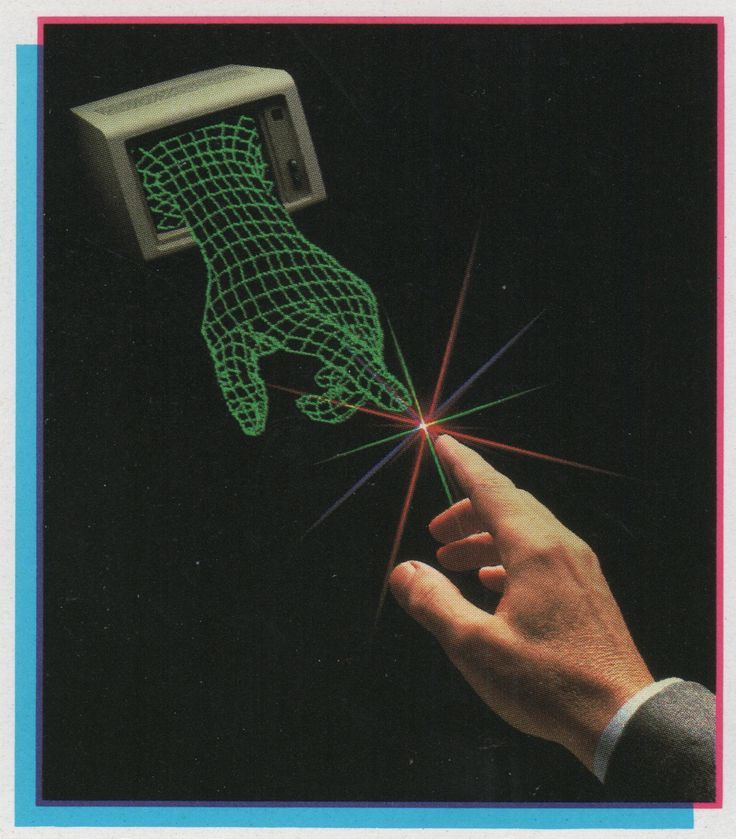


In DT, AI/ML is used to inform design strategies, create adaptive interfaces, and even co-design with users. For instance, AI-driven user analytics can identify trends, predict behaviors, and inspire design solutions.
IoT in DT
The Internet of Things (IoT) brings connectivity to everyday objects, creating new design spaces and touching multiple aspects of DT. From smart homes and cities to wearable technology, IoT is connecting users to their world like never before.
In DT, IoT enables the creation of connected ecosystems, paving the way for seamless, integrated user experiences. It also opens new revenue streams, allows for real-time data collection, and enables predictive maintenance.
Finally, DT is more than just a buzzword; it's a transformative approach that's redefining how we design, build, and interact with the world. By blending design thinking and emerging technologies, DT is creating a future that is more intuitive, more intelligent, and more human-centered. As this field continues to evolve, one thing is clear: the best is yet to come.