In the rapidly evolving world of business, the ability to innovate and improve is not just an advantage, it's a necessity. But with countless ideas vying for attention, how do you separate the innovative from the incremental? Let's explore some practical innovation improvement ideas that could help your business stay ahead of the curve.
First, it's crucial to understand that innovation isn't just about technology or product improvement. It's about solving problems, creating value, and making people's lives better. With that in mind, let's dive into two key strategies for fostering innovation and improvement.
Cultivating a Culture of Innovation
Creating an environment where innovation thrives is the first step. This means encouraging experimentation, rewarding calculated risks, and ensuring everyone feels heard.


Here are two ways to achieve this:
Promote Cross-Functional Collaboration
Breaking down silos and fostering collaboration across departments can lead to innovative ideas that wouldn't surface otherwise. النص


Consider creating cross-functional teams to work on specific projects. Not only does this bring diverse perspectives to the table, but it also fosters a sense of shared ownership and responsibility.
Encourage Continuous Learning and Development
Encourage your employees to stay curious and keep learning. This could be through mentorship programs, workshops, or even allowing time for employees to pursue personal projects relevant to their role.
This not only helps employees stay up-to-date with industry trends but also signals that you value their professional growth, fostering a positive and innovative work culture.


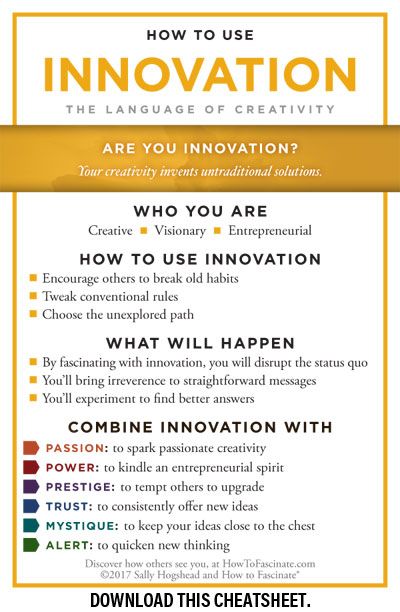
Implementing Structured Innovation Processes
While a culture of innovation provides the soil, structured processes provide the water and sunlight. Here are two processes you might consider implementing:
Design Thinking
Design Thinking is a human-centered problem-solving approach that helps you understand and meet the needs of your customers. It's especially useful in generating innovative ideas by putting empathy at the core of the process.
Start by immersing yourself in your customer's world. Observe, engage, and empathize with them. Then, synthesize your findings to define the problem you're trying to solve. After that, ideate, prototype, and test your solutions.


Lean Startup Methodology
The Lean Startup Methodology is all about building products or services that customers truly want. It focuses on rapid experimentation, customer feedback, and iterative product development.
Begin by developing a minimum viable product (MVP) – the simplest version of your idea that you can offer to early customers to test their interest. Then, collect and analyze customer feedback, and pivot or persevere based on what you've learned.
Innovation is a journey, not a destination. It requires continuous effort, iteration, and adaptation. So, embrace a growth mindset, learn from both successes and failures, and keep pushing the boundaries of what's possible. After all, the future belongs to those who dare to think differently and act boldly.